Services

Venous Conditions &
Pelvic Congestion Syndrome
Venous disease occurs when blood flow through the veins becomes impaired, leading to swelling, discomfort, clotting, or skin changes.
We assess and manage:
Deep Vein Thrombosis (DVT) and clot-related conditions
Pulmonary Embolism (PE) risk and venous thromboembolism care
Varicose veins and chronic venous symptoms
Chronic venous insufficiency with swelling or skin changes
Venous ulcers and non-healing ankle wounds
Post-thrombotic syndrome following previous DVT
Iliac vein compression (May-Thurner Syndrome)
Pelvic congestion syndrome and pelvic venous disorders
Venous disease and thrombo - embolic pathology
Supporting comfort, mobility, and healthy venous circulation.

Aortic Pathologies Management
We offer minimally invasive vascular treatments using catheter-based techniques and advanced imaging to restore blood flow and treat complex vascular conditions.
Procedures include:
Aortic Aneurysm or Occlusive Disease Repair
Aortic aneurysm and complex aortic disease
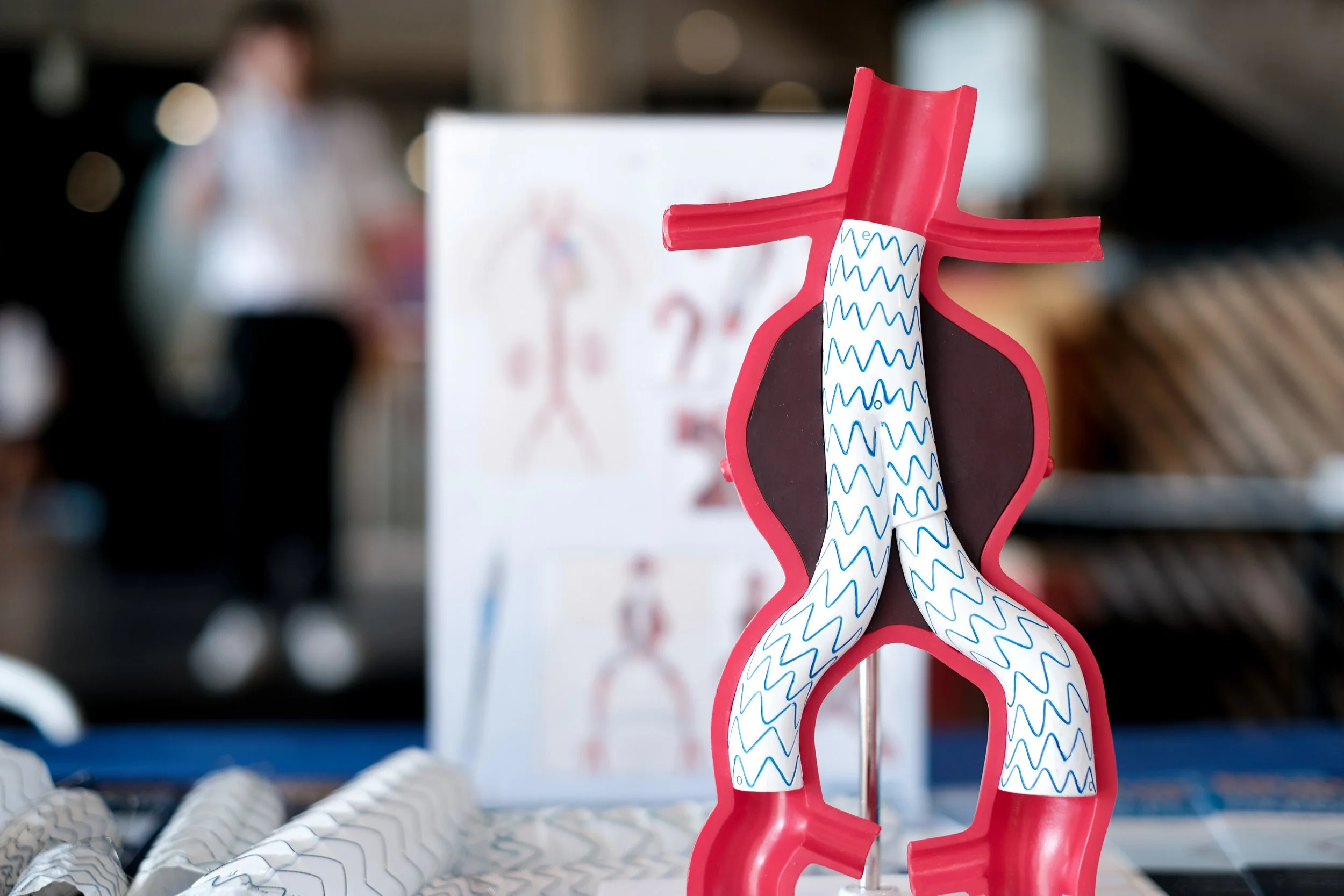
Endovascular aneurysm repair (EVAR/TEVAR)
Angioplasty and arterial stenting
Venous thrombectomy and venous stenting
Modern vascular treatment options tailored to each patient.
Endovascular & Interventional Procedures
We offer minimally invasive vascular treatments using catheter-based techniques and advanced imaging to restore blood flow and treat complex vascular conditions.
Procedures include:
Endovascular aneurysm repair (EVAR/TEVAR)
Angioplasty and arterial stenting
Carotid intervention for stroke prevention
Thrombolysis and thrombectomy for acute clot treatment
Venous thrombectomy and venous stenting
Varicose vein ablation and sclerotherapy
Embolisation therapies for selected vascular conditions
Venous disease and thrombo - embolic pathology
Modern vascular treatment options tailored to each patient.

Arterial Disease
Arterial disease occurs when arteries become narrowed or blocked, reducing blood flow to the limbs and vital organs. Early specialist assessment is important to prevent complications.
We diagnose and treat:
Vascular related Limb Salvage
Peripheral Arterial Disease (PAD) and circulation-related leg or arm pain
Acute limb ischemia and urgent arterial blockages and limb salvage
Peripheral arterial disease and limb salvage
Aorto-iliac Occlusive Disease and limb salvage
Carotid arterial and cerebrovascular disease
Renal artery stenosis / refractory hypertension
Mesenteric artery narrowing/ Ischaemic conditions
Thoracic outlet and arterial compression syndromes
Buerger’s disease and inflammatory vessel disorders
Focused care to restore circulation and protect long-term vascular health.
Dialysis Access Management
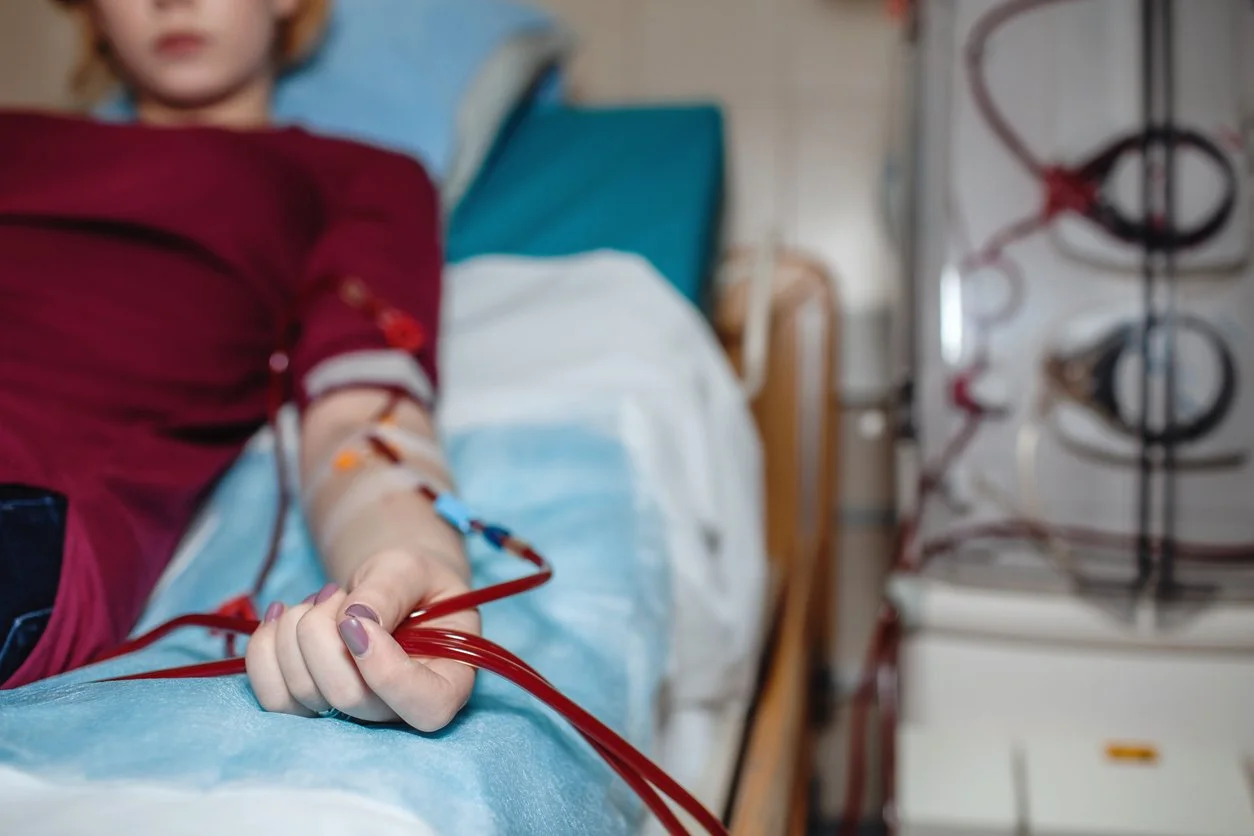
We provide dedicated vascular access care for patients with renal failure, supporting safe and durable dialysis treatment.
AV fistula and graft creation for haemodialysis
Dialysis catheter placement (short- and long-term)
Peritoneal dialysis access support
Access surveillance, imaging, and planning
Complication Care
Management of dialysis access complications, including:
Infection
Thrombosis or blockage
Aneurysm-related fistula problems
Supporting uninterrupted dialysis access and long-term vascular care.
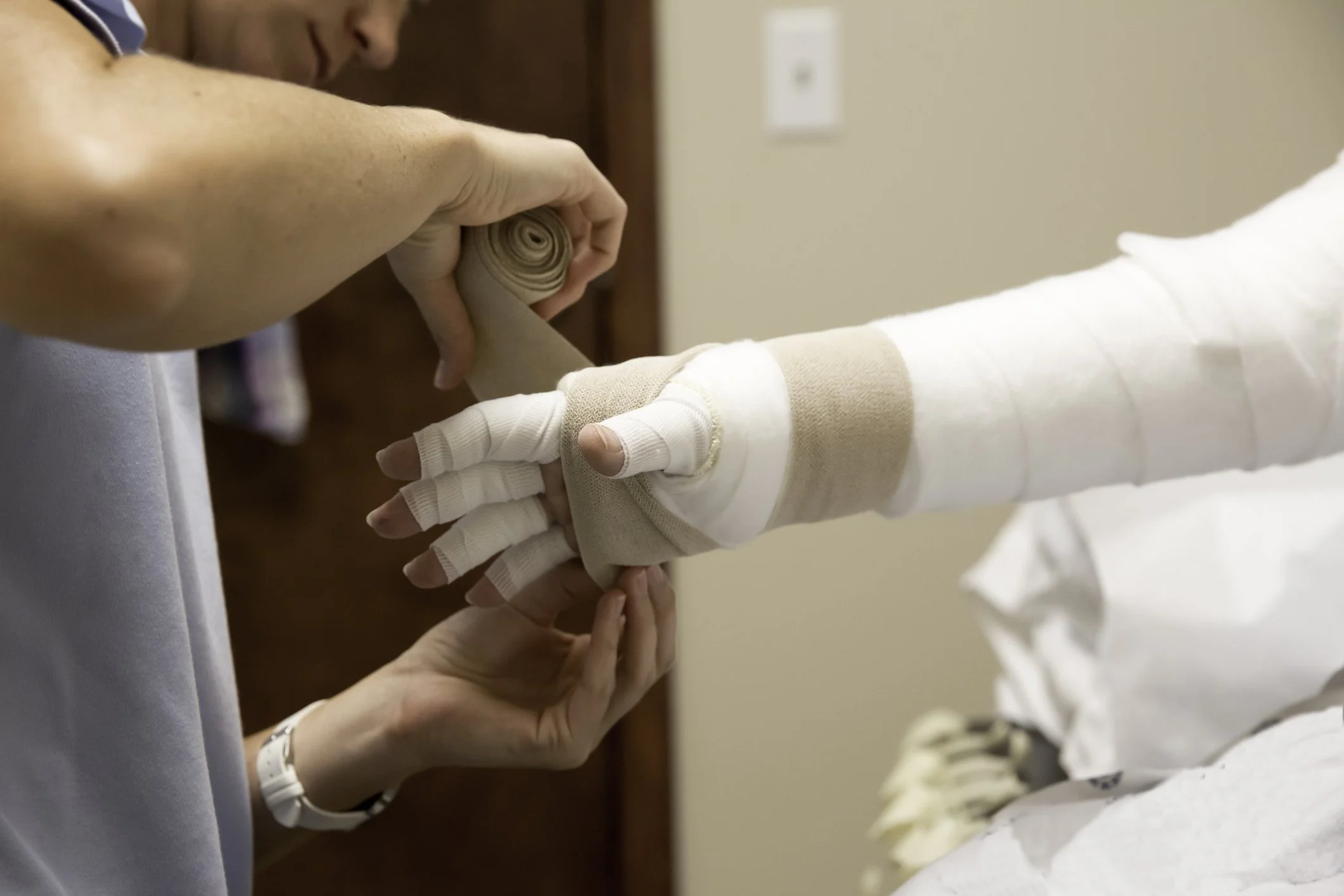
Lymphatic Disorders and Chemoport-Related Complications and long-term Vascular Access Care
Lymphatic Conditions & Lymphoedema
Lymphatic disorders occur when normal lymph drainage is disrupted, leading to chronic swelling, discomfort, and skin changes. This may develop after surgery, cancer treatment, infection, or lymphatic obstruction. Early assessment helps reduce progression and long-term complications.
We manage:
Lymphoedema of the arms or legs
Lymphatic obstruction and chronic limb swelling
Long-term supportive and compression-based care
Improving comfort and reducing complications of chronic swelling.
Chemoport and Catheter-Related Vascular Complications
Central venous catheters and Chemoports are essential for many cancer patients but may increase the risk of clotting, infection, or venous obstruction. Specialist vascular care is important to maintain safe access and prevent treatment interruption.
We assess and manage:
Chemoport- and catheter-associated thrombosis
Access-related infection and sepsis
Superior vena cava (SVC) obstruction syndromes
Venous intervention or stenting where required
Supporting safe vascular access and complications management during cancer care.

Secondary, Resistant & Young Hypertensives
High blood pressure that is severe, difficult to control, or occurs at a young age may indicate an underlying vascular or kidney-related cause. Early specialist assessment is important to prevent long-term complications.
We evaluate patients with:
Resistant hypertension despite multiple medications
Very severe or rapidly worsening blood pressure
Early-onset hypertension (under age 30)
Unexplained kidney dysfunction or renal artery narrowing
Specialist Assessment
Evaluation may include:
Vascular imaging
Screening for secondary causes
Renal assessment
Care is tailored to the underlying cause and may include:
Medical optimisation
Renal artery angioplasty or stenting
Long-term vascular and kidney-focused management
Deliberate care to improve blood pressure control and protect cardiovascular and renal health
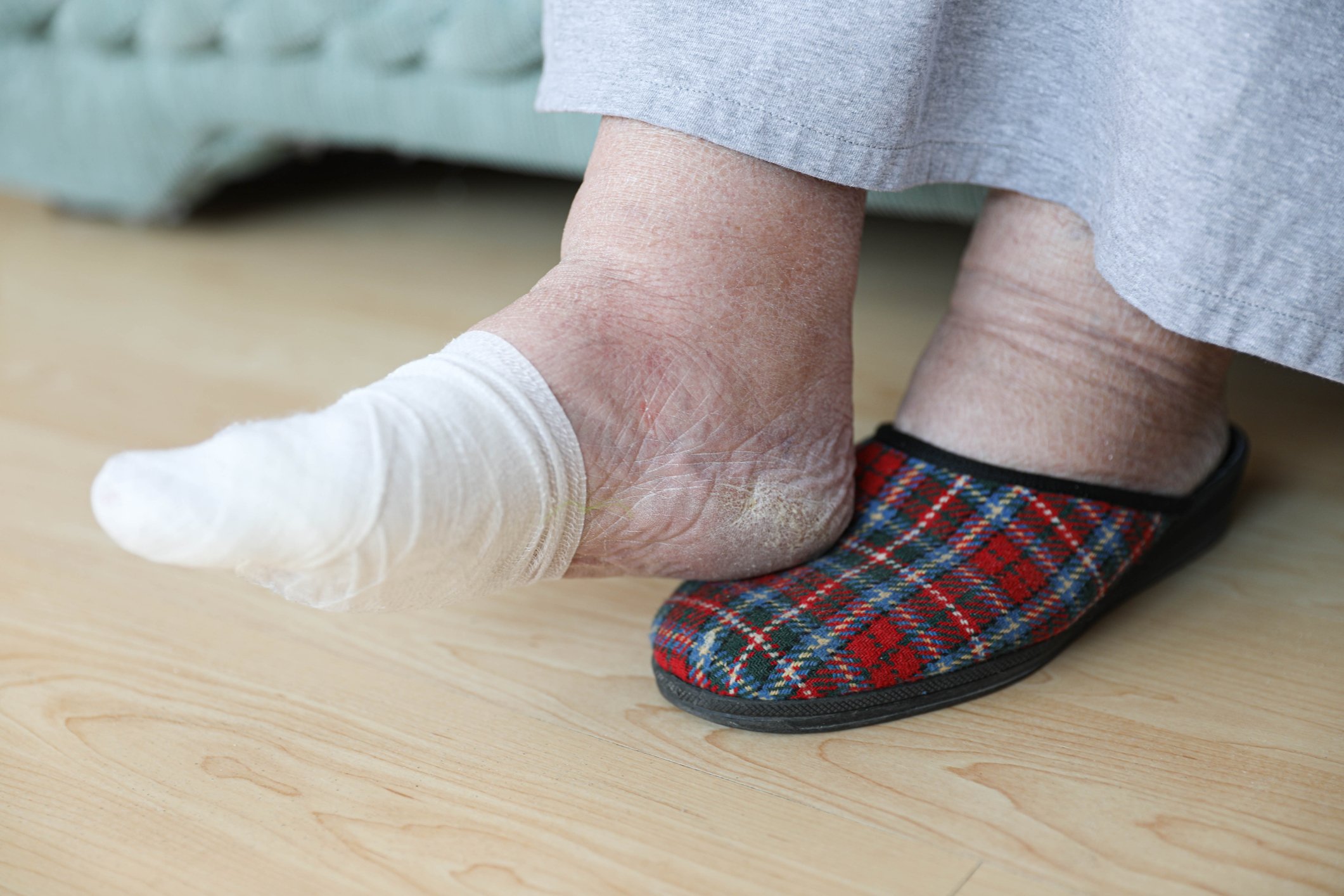
Diabetic Foot and Chronic Wounds Management
Diabetes can affect blood vessels, nerves, and wound healing, increasing the risk of foot ulcers, infection, and limb-threatening complications. Early vascular assessment is essential to prevent progression and preserve mobility.
We provide comprehensive diabetic vascular and foot care, including:
Circulation assessment and vascular imaging
Diagnosis and management of peripheral arterial disease (PAD) in diabetic patients
Revascularisation procedures to improve blood flow where required
(angioplasty, stenting, or bypass surgery)Management of diabetic foot ulcers and non-healing wounds
Treatment of infection-related vascular complications
Limb salvage strategies for advanced diabetic foot disease
Focused diabetic and vascular care to support healing, mobility, and limb preservation.
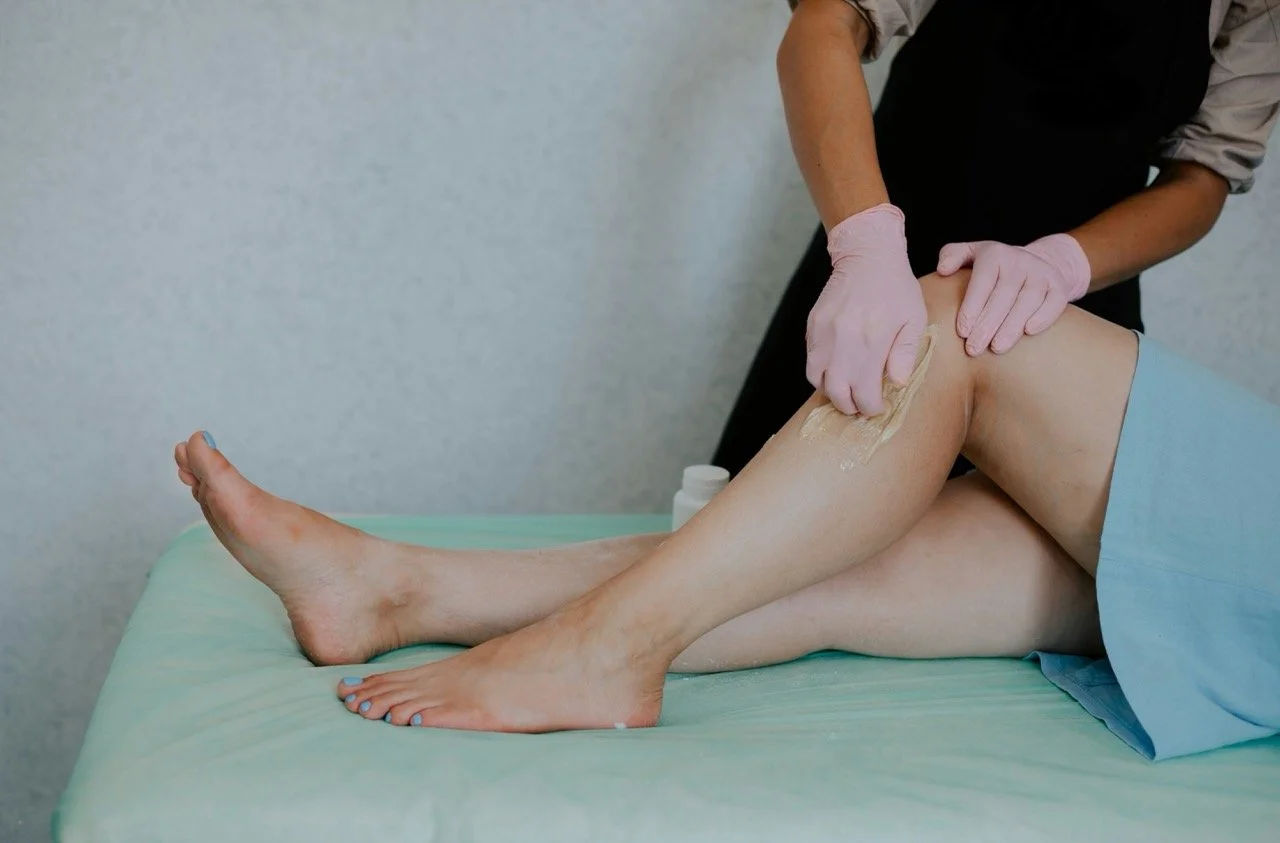
Chronic Wound Care & Vascular Ulcer Management
Chronic wounds and vascular ulcers often result from poor circulation, diabetes, or venous disease. Successful healing depends on identifying and treating the underlying vascular cause.
We provide specialised assessment and management of:
Non-healing leg and foot ulcers
Diabetic ulcers and arterial insufficiency wounds
Venous stasis ulcers associated with chronic venous disease
Circulation testing and vascular imaging to guide treatment
Revascularisation where blood flow is reduced
Long-term ulcer prevention and recurrence management
Targeted vascular care to support healing, reduce complications, and restore mobility.

Vasculititedes
Autoimmune Vascular Diseases
Autoimmune vascular diseases occur when the immune system causes inflammation of blood vessels, leading to narrowing, blockage, or reduced circulation. These conditions may affect multiple organs and require coordinated specialist care
We assess and manage:
Vasculitis affecting small, medium, or large vessels.
other Types of Vasculitides
Large Vessel Vasculitis
Medium Vessel Vasculitis
Small Vessel Vasculitis
Immune Complex Small Vessel Vasculitis
Focused vascular evaluation to support circulation and reduce long-term complications.
Raynaud’s phenomenon
Raynaud’s phenomenon and other small-vessel disorders can cause painful colour changes, numbness, or ulcers in the fingers and toes, particularly in cold conditions or autoimmune disease.
Primary and secondary Raynaud’s
Digital ischemia and poor extremity circulation
Vascular complications of connective tissue disease
Specialist care to protect circulation in the hands and feet.